United Nations Peacekeeping
 UN
UN



UN and Italy review progress on clearing Misratah blast site
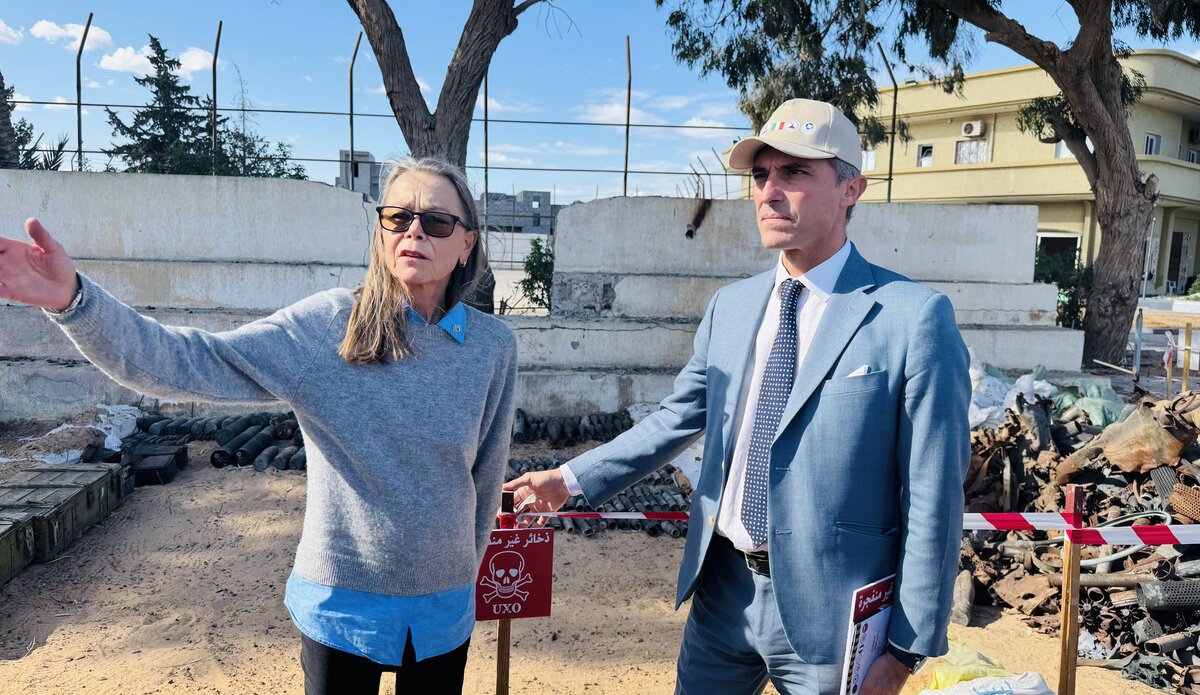
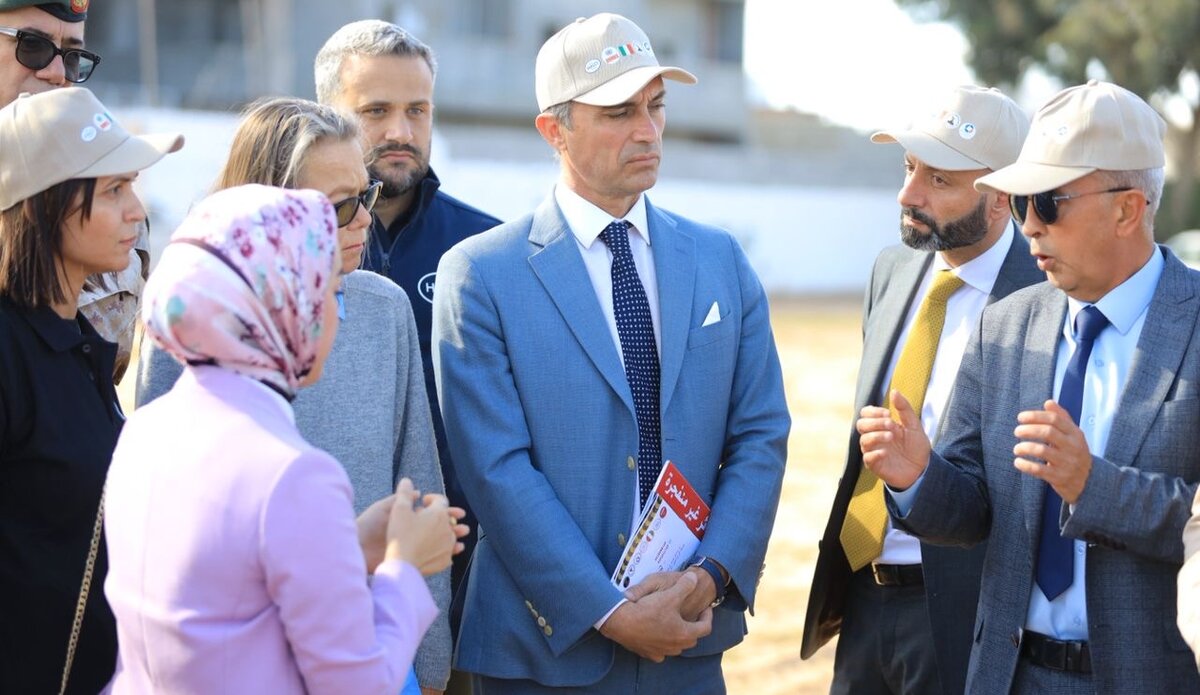
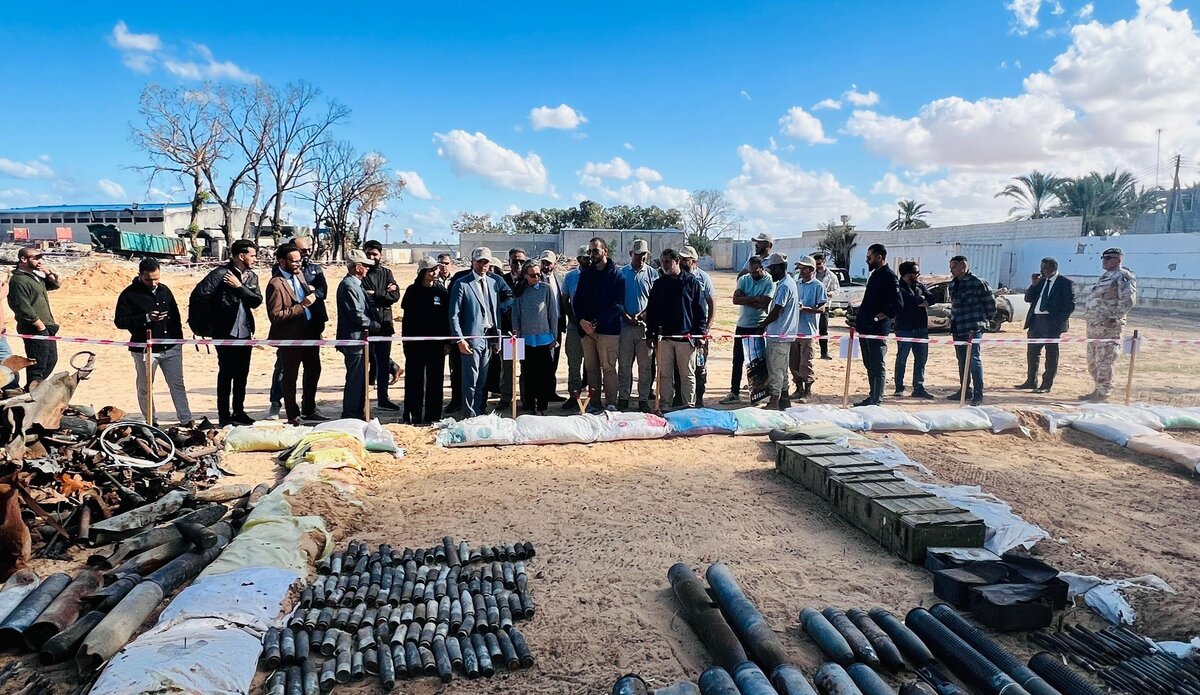
The Deputy Special Representative of the Secretary-General and UN Resident Coordinator (DSRSG/RC) in Libya, accompanied by the Ambassador of Italy, visited Misratah on 23 November to assess efforts to remove remaining hazards from the site of the 31 August explosion.
“The United Nations stand with the families and communities affected by this tragic incident,” said DSRSG/RC Ulrika Richardson.
The blast originated from an ammunition depot located in a populated area, where unstable munitions ignited and triggered a large secondary explosion. It affected a three-to-four-kilometre radius, injuring 16 people and damaging multiple commercial buildings and homes.
The Libyan Mine Action Centre led the emergency response, with support from five national and international non-governmental organisations. The United Nations Support Mission in Libya’s (UNSMIL) Mine Action Service (UNMAS) provided technical support and coordination.
Italy is funding the ongoing clearance operation. To date, teams under Italy-funded projects have safely disposed of 8,702 UXO items, and 7,419 m² of contaminated land have been cleared within an 18,367 m² hazardous area.
“Strengthening ammunition management systems is urgent to prevent further harm and loss of life,” DSRSG/RC Richardson said, stressing the need to move storage sites away from residential areas. “Additional investment and strong national leadership at all levels will be key to addressing future challenges concerning explosive remnants of war and promote long term peace and security across Libya.”
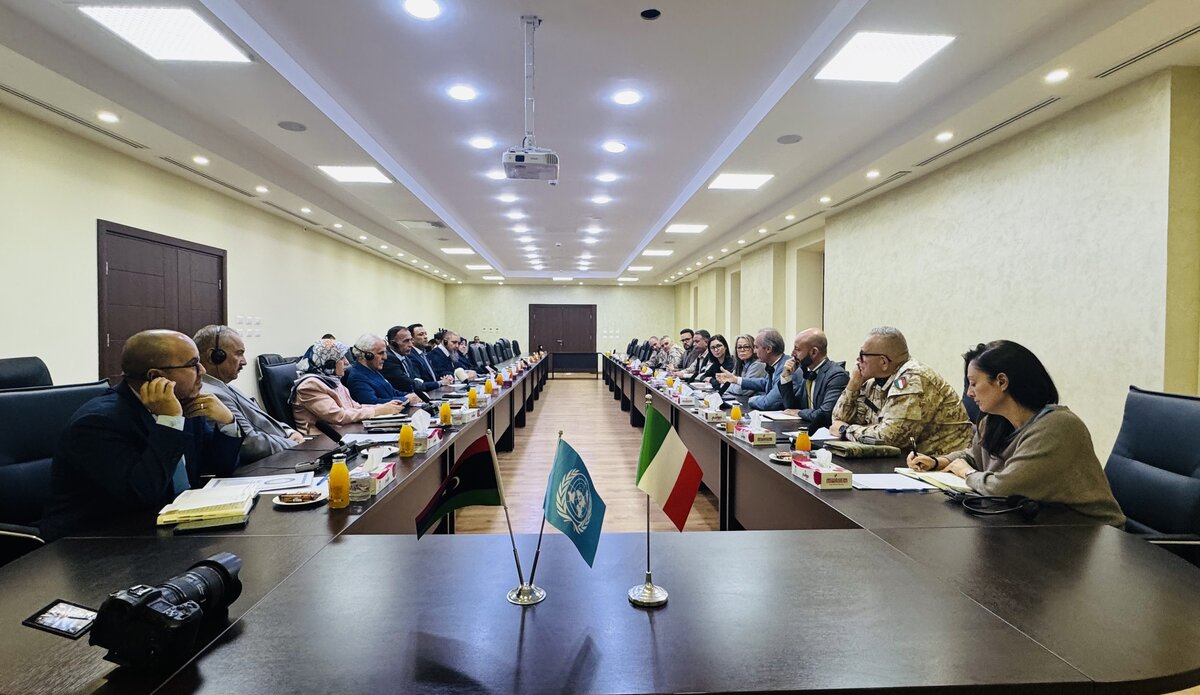
The DSRSG and the Italian Ambassador also met with the Municipal Council and mine action partners at the Libyan Mine Action Centre’s regional office. They visited the National Centre for Artificial Limbs, where dedicated staff walked them through the essential prosthetic and rehabilitation services provided to survivors of conflict and unexploded ordnance incidents.
DSRSG/RC Richardson and Ambassador Alberini praised the centre’s commitment to nationalising care.
“Restoring the functionality and dignity of all victims of explosive remnants of war must remain a collective priority,” DSRSG/RC Richardson said.
The Municipal Council and Brigadier General Khalil Al-Shibli, the director of the Libya Mine Action Centre, expressed appreciation for support in decontaminating the area, noting the positive impact on community safety and calling for additional assistance to address remaining hazards.
DSRSG/RC Richardson thanked Italy and other donors, and reaffirmed UNSMIL’s commitment to support national efforts to secure and effectively manage weapons stockpiles, clear explosive ordnance, and protect civilians.