


Basirah is a programme of the United Nations Support Mission in Libya (UNSMIL) that supports the development of Libyan media professionals, including journalists, media professors, media students, and fact checkers. It aims to combat the spread of misinformation, disinformation and hate speech by addressing one influencing factor—insufficient educational opportunities for journalists.
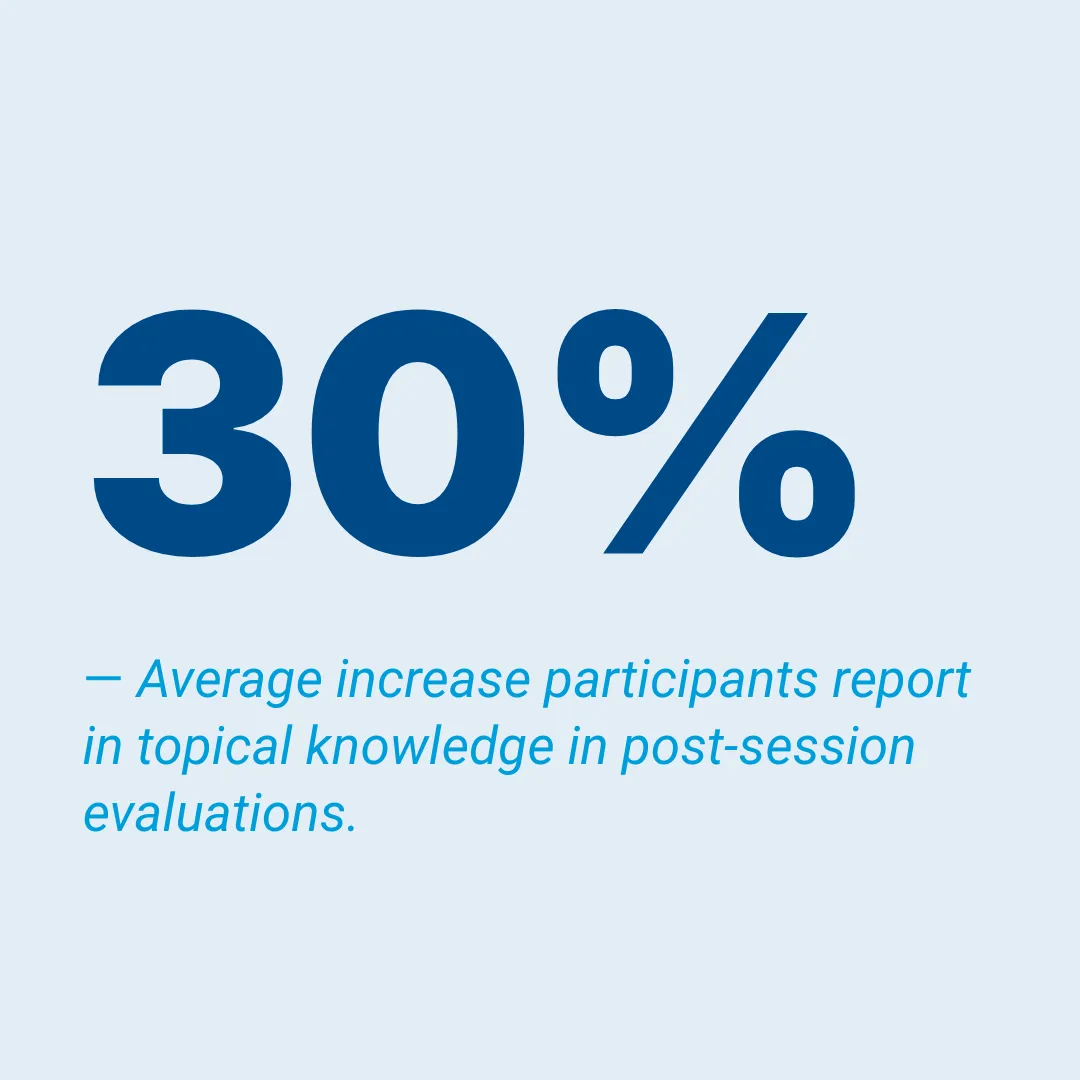
Since its launch in May 2025, Basirah has delivered 10 in-person and online workshops and seminars, reaching more than 350 media professionals from more than 70 news organisations and 25 universities. Some sessions have facilitated conversations about key issues, such as the impact of AI on political discourse and journalism’s role in Libya's political process. Other sessions helped bolster journalists’ ability recognise media manipulation tactics during conflict, protect themselves and their data, conduct in-depth online research, and use artificial intelligence to support their reporting—among other things. The workshops and seminars, which ranged from two hours to two days, have been delivered in partnership with international experts, including top professionals from Google, the Committee to Protect Journalists, and Cambridge University.
In the Libyan context, Basirah’s work is critical.
Under the former regime from 1969 to 2011, all media was state-owned or tightly controlled, independent journalism was effectively prohibited, and criticism of the government was criminalised. Following the 2011 revolution, hundreds of Libya-focused news organizations popped up online and on television to fill the information void, but the sector remains in the earliest stages of development, lacking tangible regulatory frameworks and common standards. Amid tightening restrictions on speech, many news organisations are backed by political parties, armed groups, or foreign governments, resulting in high polarisation and the rampant spread of misinformation, disinformation, and hate speech.
Many working Libyan journalists, in consultations with UNSMIL, say they have never received formal training and cite insufficient professional development opportunities as a top obstacle to tackling media sector challenges. Meanwhile, the Libyan universities raising up the next generation of journalists are underfunded and are still relying—at least partially—on curriculum established under the former regime, which, according to a recent report of the United Nations Education, Scientific, and Cultural Organisation (UNESCO), does not include effective education about media ethics or the media’s role in a democratic society.


